


Ruby Rewards
4.72.24K Reviews
App Specs
- Version
- 1.4
- Updated On
- License
- Free
- Downloads
- 100,000+
- Developer
- Ruby Tuesday
- Categories
- Food & Drink
- Platform
- Android
Screenshots
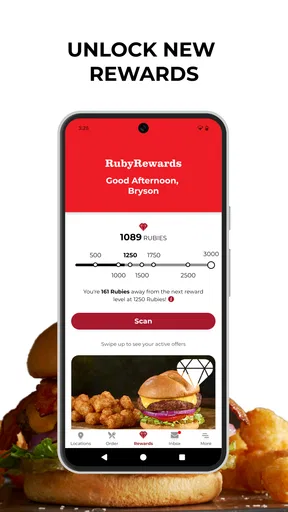
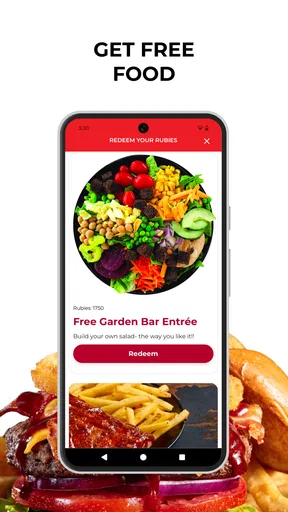
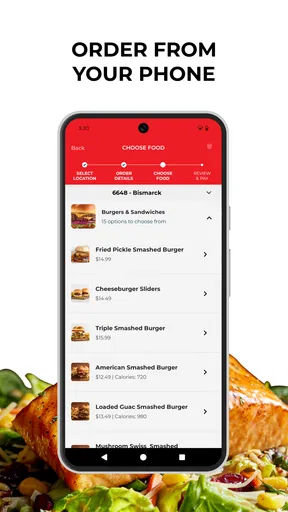
 Analysis by AppCompare
I tried Ruby Rewards as the companion app for Ruby Tuesday visits, and my first impression was that it makes the most sense when you already eat at the restaurant occasionally. It is a free Food & Drink app from Ruby Tuesday built around earning Rubies, exchanging them for food, and arranging an order before you arrive. That focus keeps it simpler than a general restaurant-discovery app, but it also means its value depends heavily on whether Ruby Tuesday is part of your normal routine.
The app has a 4.7 average from around 6,500 ratings and has passed 100,000 installs, so it is clearly being used by more than a small group of regulars. I would not treat those figures as a guarantee that every visit will be smooth, but they do suggest that the rewards idea is easy enough for many diners to understand. The age rating is Everyone, which fits an app designed for ordinary meal planning rather than specialized content.
How Ruby Rewards fits into an ordinary Ruby Tuesday visit
The most useful way to think about this app is as a digital layer over three familiar tasks: checking what you can get with your rewards, placing an order ahead of time, and keeping your loyalty activity in one place. Instead of treating those as separate errands, the app puts them together around the Ruby Rewards program. I found that approach more practical than opening a general food-ordering service when my destination was already decided.
A realistic example is a weekday evening when I know I will be stopping at Ruby Tuesday after work. I can open the app before leaving, review the reward balance, decide whether using Rubies makes sense for that meal, and place an order ahead rather than waiting until I reach the restaurant. That workflow is especially helpful when I am trying to keep the stop predictable. The app is less useful if I am still choosing between several nearby restaurants, because it is not intended to be a broad comparison tool.
The rewards element is the main reason to keep the app installed. A loyalty program can be easy to ignore when it exists only on paper or depends on remembering a card, while a phone app gives the program a visible home. Seeing the available Rubies before ordering can also change how I approach a meal: I can save them for a later visit, or use them when the reward fits what I already planned to eat.
That choice is worth making deliberately. A reward is most valuable when it matches a meal I would have purchased anyway. If I open the app only because I have Rubies available, I may be tempted to make the reward the reason for an unnecessary visit. For regular customers, the better habit is to treat the balance as a discount or benefit attached to normal dining, not as a reason to spend more often.
What the current version does well
The current version is 1.4, and the overall product feels focused rather than overloaded. I appreciate that the central actions are easy to understand: rewards are for food, and ordering ahead is for saving time. There is no need to learn a complicated restaurant-management system before using it. That makes the app approachable for someone who is comfortable ordering from a phone but does not want to navigate a crowded marketplace.
Worth Reading Before You Choose

EA SPORTS FC Mobile 26 Is a Bigger Football Game, but It Takes Time

Flipboard Shows What News Apps Must Do Beyond the Feed

Switching to Android Auto Means Rethinking Your Driving Routine

Google Calendar Makes a Crowded Week Easier to Manage

Ludo King Makes the Most of the Minutes Between Plans

Baby Panda World Brings Quick Play to Modern Phones, but Its Game Library Feels Busy
The strongest part of the experience is the connection between loyalty and ordering. In many restaurant apps, rewards and ordering feel like unrelated sections. Here, the two activities support the same decision: what am I getting, how am I paying for it, and can I make the visit quicker? That is a small distinction, but it matters when I am using the app in a hurry.
I also like that Ruby Tuesday is identified directly as the developer. There is less uncertainty about whether I am using an official restaurant tool or an unrelated service that happens to mention the brand. For a loyalty account, that clarity is important because I want my rewards activity tied to the restaurant I actually visit.
The app was released on October 21, 2022, and its continued presence alongside the newer version number suggests an established product rather than a one-day promotional experiment. I would still judge it by how reliably it handles my current visit, but the release history gives the app some useful context: this is a maintained loyalty and ordering channel, not merely a static menu display.
How existing customers benefit from the update path
For someone who has already used Ruby Rewards, moving to the current version should be approached as a practical check rather than a reason to relearn the whole service. The important questions are straightforward: can I see my Rubies, can I select a reward when I want one, and can I complete an order ahead without confusion? If those steps remain available, the newer version supports the same basic habit without demanding much attention.
My advice is to open the app before reaching the restaurant, especially if I am planning to redeem something. That gives me time to review the order and notice any issue while I am still at home or in the car as a passenger. Trying to create an account, inspect rewards, and place an order while standing near a busy entrance is an avoidable source of frustration.
Another useful habit is to decide whether I am ordering ahead or dining in before starting. Ordering ahead has a clear purpose when I know what I want and need a faster pickup. It is not automatically better for a relaxed meal where I may change my mind at the table. The app supports convenience, but it should not turn a flexible restaurant visit into a rushed transaction.
Existing users should also keep their expectations realistic around loyalty. The presence of Rubies does not make every menu choice equally rewarding, and the best redemption depends on what I actually want to eat. I would rather save a reward for a meal where it fits naturally than use it on an option I would not otherwise choose.
Where it compares favorably with usual alternatives
Compared with a general delivery or restaurant-ordering app, Ruby Rewards has one clear advantage: it is centered on Ruby Tuesday’s own loyalty relationship. A third-party service may be convenient when I am comparing restaurants, delivery areas, fees, or menus from several places. But when I already know I want Ruby Tuesday, a dedicated app is a more direct route to rewards and restaurant-specific ordering.
Compared with using a mobile browser, the app is more suitable for repeat visits because the loyalty function is designed to be revisited. I do not have to begin with a web search every time I want to check my Rubies or order ahead. That convenience is modest, but repeated small conveniences are exactly what make a loyalty app worth keeping.
On the other hand, a third-party ordering app may be the better choice when I care more about seeing multiple restaurants together, comparing delivery options, or using one account for several chains. Ruby Rewards is not a replacement for that broader service. Its strength is specialization, and specialization naturally comes with a narrower scope.
It also differs from simply using a physical loyalty card or relying on memory. The app gives the rewards program a visible, interactive place, which helps me remember to use it. The trade-off is that I now depend on the app being ready when I need it. If I prefer the least digital process possible, the dedicated app may feel like an extra step rather than a benefit.
Small workflow choices that make a real difference
One of the less obvious benefits is planning the reward before building the order. I find it easier to start with the question, “What do I want to use my Rubies for?” and then add the rest of the meal, rather than filling the order first and trying to force a reward into it afterward. This reduces the chance of choosing items that do not match the benefit I intended to use.
A second useful approach is separating browsing from checkout. I can look through the app when I have time, decide what sounds appealing, and wait to place the actual order until I know when I will arrive. That is safer than ordering impulsively just because I opened the app during a break. It also makes the app useful for planning without turning every browsing session into a purchase.
A third tip is to use ordering ahead for predictable meals, not uncertain ones. If I am collecting food for a fixed schedule, advance ordering can remove a waiting step. If I am meeting friends and the timing may change, placing the order too early could make the experience less flexible. The app is strongest when I know the restaurant, the meal, and roughly when I will be there.
These details may sound simple, but they are where loyalty apps either become part of a routine or get deleted. The value is not just in having a reward balance. It comes from combining that balance with a decision I was already going to make.
Where the experience still has limits
The biggest limitation is the app’s narrow usefulness. If Ruby Tuesday is not a restaurant I visit, there is little reason to install a dedicated rewards app. Even if I am curious about the menu, a general restaurant service may be more useful for comparing alternatives. This is a tool for a specific brand relationship, not a universal food companion.
The ordering-ahead feature also requires more commitment than casual browsing. I need to know what I want and when I will arrive. That is convenient for a planned stop but less comfortable when I am deciding at the last minute. I would not use it as my default for every visit; I would reserve it for meals where speed and certainty matter.
Loyalty programs can create their own mental overhead as well. I have to remember to open the app, check the available Rubies, and apply the benefit at the appropriate point. If I do not build that into my routine, the program becomes easy to overlook. The app reduces the friction of managing rewards, but it cannot make the habit happen automatically.
There is also a practical trade-off between a dedicated app and a single multi-restaurant service. Keeping one app for one chain can be worthwhile when the rewards are meaningful to me. For occasional visitors, however, adding another app to the phone may not justify the small convenience of faster access. That is the main situation in which I would skip it.
Who should install it and who should pass
I would recommend Ruby Rewards to regular Ruby Tuesday customers, people who like earning food-related loyalty benefits, and anyone who often knows their order before arriving. It is particularly suitable for a repeat weekday routine, a planned pickup, or a diner who wants rewards and ordering in the same place.
I would be more cautious if I rarely visit the chain, prefer comparing many restaurants at once, or almost always decide what to eat after sitting down. In those cases, the app may spend more time occupying the phone than saving time. A general ordering platform or no dedicated app at all could be the more sensible choice.
Families and groups may find the ordering-ahead option useful when the order is already agreed upon, but it is less ideal when everyone is still negotiating what to eat. Likewise, someone who wants to maximize every loyalty program may appreciate having a direct Ruby Tuesday account, while someone who dislikes tracking several rewards systems may find the extra account management tiring.
What I would watch as the app continues
Because the app is now at version 1.4, I would pay attention to whether future changes make the core journey even clearer: checking Rubies, selecting a suitable food reward, and completing an advance order without unnecessary detours. Those are the features that determine whether the app earns a permanent place on my phone.
I would also watch for improvements that help users understand the timing and practical use of a reward before they commit to an order. Clearer guidance at that moment would be more valuable to me than extra decorative features. In a focused restaurant app, confidence at checkout matters more than having a long list of secondary tools.
For current users, the best sign of healthy evolution would be steady attention to reliability and ease of use rather than constant expansion. The app already has a clear purpose. Adding complexity could weaken the advantage it has over broader ordering services, which is its direct connection to Ruby Tuesday rewards and planned meals.
My final view is positive but specific: Ruby Rewards is worth installing when Ruby Tuesday is already part of your eating routine. I like the way it turns loyalty credit and ordering ahead into one practical workflow, and the free price removes the main barrier to trying it. I would not recommend it as a general food app, and I would not install it solely for occasional curiosity. Used with a planned visit, though, it can make the restaurant experience more organized and help ensure that earned Rubies do not sit forgotten.
Pros
- Simple interface makes earning and redeeming rewards easy.
- Offers multiple ways to collect points through everyday activities.
- Reward options can appeal to users with different interests.
- Progress tracking helps users monitor points and redemption goals.
- Suitable for casual users who prefer small
- regular rewards.
Cons
- Point values and available rewards may change without notice.
- Some earning activities can feel repetitive over time.
- Rewards may require reaching a relatively high redemption threshold.
- Availability of offers can vary by location or user account.
- Extra permissions or notifications may be needed for full functionality.
FAQs for Ruby Rewards
What is Ruby Rewards, and how does it work?
Ruby Rewards is a rewards-based mobile app that allows users to collect points or virtual currency by completing available activities, such as surveys, offers, tasks, or promotional challenges. After registering, you can browse the opportunities shown in your account, review the requirements, and receive rewards when the activity is successfully verified. Availability and earning potential may vary by location and user profile.
Is Ruby Rewards free to download and use?
Ruby Rewards is generally free to download, and creating an account should not require an upfront payment. However, some activities presented inside the app may involve third-party services, subscriptions, purchases, or specific conditions. Before accepting an offer, carefully read its terms, cancellation rules, and privacy information. Never provide payment details unless you fully understand what the offer requires.
How can I redeem rewards in Ruby Rewards?
The redemption methods available in Ruby Rewards may depend on your country, account status, and the number of points you have accumulated. Common possibilities can include gift cards, digital vouchers, cash-related services, or other rewards displayed in the app. Check the redemption section for minimum thresholds, processing times, eligibility rules, and any verification requirements before spending time completing activities.
How long does it take to receive rewards from Ruby Rewards?
Reward processing times can differ depending on the activity, the selected redemption option, and whether your account requires additional verification. Some credits may appear shortly after an offer is confirmed, while other rewards can take several business days. If a reward is delayed, review the activity status and completion instructions first, then contact Ruby Rewards support with the relevant transaction details.
Is Ruby Rewards safe and what information does it collect?
Before using Ruby Rewards, review its privacy policy, permissions, and the terms of any third-party offers. A rewards app may collect account details, device information, usage data, and information needed to verify completed activities. Use a strong, unique password, avoid sharing unnecessary sensitive information, and download the app only from an official store. Also remember that reward availability and legitimacy can change, so verify current user feedback and policies.


